Specialized Therapy
Counselling for Narcissistic Abuse, Coercive Control & Relational Trauma
Narcissistic Abuse, Coercive Control & Relational Trauma are complex experiences that are often treated incorrectly.
Controlling behavior doesn’t stop due to compliant or accommodating responses. People who are controlling in relationships stop once they have learned how to manage shame and can tolerate feeling insecure.
Casualties of Controlling Behavior
My specialized therapeutic approach is guided by an essential understanding: your responses to invalidating, manipulative, and controlling behavior are not flawed— you are intelligently adapting to an unpredictable and threatening experience.
You are not mutually responsible for the harm being created in your relationship. So I won’t ask you to work harder to prevent someone else from being controlling, instead I’ll invite you to respond differently based on your needs, so you can improve your wellbeing. I’ll show you how to hold both compassion and intolerance without being punitive or reactive. Together we’ll move toward clarity and cultivate peace.
People Who Control Others
You are not a bad person.You are seeking control so you can feel safe. And then the moment you realize the impact of your behavior on the people you love shame floods your nervous system.
I can teach you how to process shame so you can stop blaming or attacking whoever is around when it arises. You don’t have to stay stuck, but you do have to be brave to admit you’re causing harm and learn how to stop it. Together we’ll dig for the root reason you need to feel in control so you can update your nervous system and start to feel safe being vulnerable.
Methods
Scarlet’s approach is rooted in Antagonism Informed Therapy and Response Based Practice but she also incorporates other modalities based on your specific needs. Many people who are the recipient of controlling behavior find support through a combination of IFS, ACT, and SE. People who want to learn how to stop controlling others often benefit from a blend of CBT, IFS and ACT.

Cognitive Behavioral Therapy (CBT)
Introduced by Dr. Aaron Beck this structural therapeutic approach explores the relationship between thoughts, feelings, and actions and how these combine to form our understanding of reality. This method aims to identify distorted thinking and experiment with alternative perceptions to adjust behavior.

Acceptance & Commitment Therapy (ACT)
Introduced by Dr. Steven Hayes, Dr. Kelly Wilson and Dr. Kirk Strosahl this action oriented therapeutic approach develops acceptance of uncomfortable internal experiences through the practice of curiosity and presence. This method also explores values as a framework for making decisions that are congruent with the self.




Created by international experts Dr. Allan Wade, Dr. Catherine Richardson, and Dr. Linda Coates to address interpersonal violence and trauma by exploring the active resistance to harm, the social responses to domination, and to challenge narratives that blame casualties and instead position accountability on those causing harm.
Antagonism Informed Therapy
Developed by international expert Dr. Ramani Durvasula this therapeutic approach shifts away from traditional relationship repair to focus instead on identifying patterns of controlling behavior, processing antagonistic relational stress, reconnecting with the self, and developing a customized plan to improve wellbeing and cultivate radical acceptance.
Response Based Practice
Developed by Dr. Peter Levine to treat chronic stress and heal from trauma this method uses body based activities to release intense sensations and balance the nervous system. Through a process of deep inquiry clients track their responses to trauma to identify where they are locked in patterns and gradually open other survival responses.
Internal Family Systems Theory (IFS)
Introduced by Dr. Richard Schwartz as a method for healing from trauma and cultivating self-acceptance by relating with the protective and wounded parts of the self. The goal of this intervention is to unburden protective parts and reclaim parts that have been exiled in order to feel more whole.
Somatic Experiencing (SE)
Recommended Reads

01
A stunning book for people preoccupied with fulfilling the needs of others. This book will help you understand the internal pattern of self-adjustment and cultivate compassion so you can start to identify your own needs.

03
An absolute must-read for people who have controlling behavior. This book will help you recognize the differences between abuse and conflict and learn the process of repair and accountability.

Bell Hooks brilliantly defines love as deliberate action.
A beautiful exploration of self-love, love in relationships, and how to apply love as a political tool for activism.

02
04
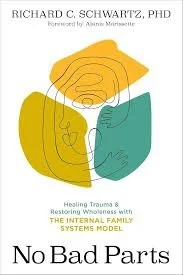
A practical guide to explore your protective and wounded parts. You’ll learn how to relate to your internal system and deepen your connection to your essential self.
05
Highly recommended for people who identify as men to be guided through a process of deconstructing what it means to be a man. You’ll learn how to erase domination as a cultural norm so you can deepen into real love and intimacy.
06
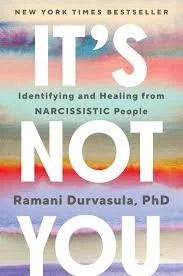
A practical guide that will help you identify patterns of controlling behavior, understand trauma bonding, process grief, and recover your sense of self.
Other Supports
Victoria Women’s Transition House
To access a safe space, the 24hr crisis support line, and counselling that will help you navigate intimate partner violence— which includes emotional abuse, coercive control, and financial control.
Vancouver Island Crisis Society
For 24hr access to support during a crisis. This includes suicidal ideation, navigating violence, accessing the mobile response team for urgent mental health assessments, and well as free workshops.
Victoria Non-Emergency Police Line
Call (250) 995-7654 if you have questions about your right to safety or want to learn about options for your protection.
ready to receive specialized support?
If you’ve tried therapy and it hasn’t resulted in shifts within your relationship, or if you’ve been hesitant to go to therapy because you feel ashamed of your behavior— Scarlet’s approach will meet you were you are at, but lead you towards what you need. She won’t push you, but she also expect you to drive the process.